Friday, July 29, 2011

OFF THE SHELF -- I Read It, But I Don't Get It


I Read It, But I Don't Get It
Stenhouse Publishers

This book is another gift to my fellow teachers who are preparing to start another year of teaching.  Even if you don't teach reading, even if you don't teach adolescents--this book will help you to create focus in your students as they read your lessons.  It is full of strategies and theories that will be immediately useful, and that will show results. I am a Tovani fan! We all know people who read the page but have no idea what they just read.  Help them focus by incorporating these strategies.

Level:  Professional

Where the Wild Things Are

Where the Wild Things Are
1964, Caldecott Medal 

Summary: Mas, after running wild through the house, is sent to his room.  He creates an imaginary forest, which he cruises away to, becoming King of the Wild Things that live there. 

Lesson:  This book was part of my Halloween unit, which also included Skeleton Hiccups and the song, "Monster Mash".  First I read Skeleton Hiccups.  The children, without much prompting on my part, loved doing the hiccups sound effects for each page.  I then read Where the Wild Things Are.  During the dancing section of the story, I played "The Monster Mash" and we all danced like monsters and zombies.  We returned to end the story.  The kids were then given handouts with a skeleton on it for them to color as they wished.  (If more time had allowed, I would have allowed glue-ons, like string for hair.)

Level:  PreK-2nd

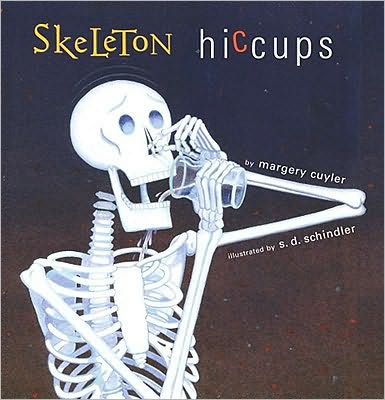
Skeleton Hiccups

Skeleton Hiccups 
Simon & Schuster Children's Publishing, 2002

Summary:  In this hilarious story, Skeleton tries every known cure for the hiccups. 

Lesson:  This book was part of my Halloween unit, which also included Where the Wild Things Are and the song, "Monster Mash".  First I read Skeleton Hiccups.  The children, without much prompting on my part, loved doing the hiccups sound effects for each page.  I then read Where the Wild Things Are.  During the dancing section of the story, I played "The Monster Mash" and we all danced like monsters and zombies.  We returned to end the story.  The kids were then given handouts with a skeleton on it for them to color as they wished.  (If more time had allowed, I would have allowed glue-ons, like string for hair.)

Level: PreK - 2nd

Wednesday, July 27, 2011

OFF THE SHELF -- Tsunami!


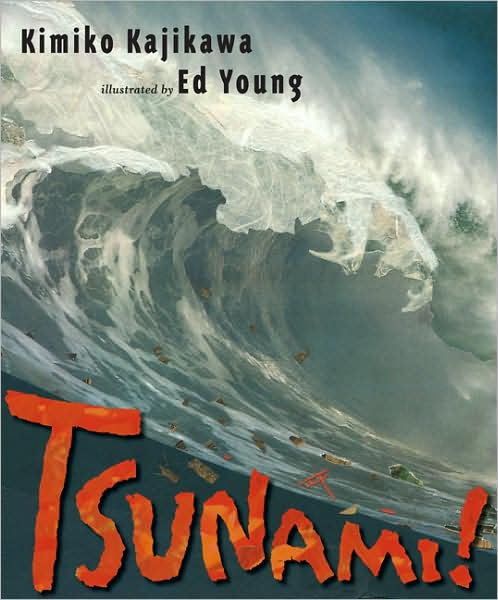
Tsunami! 
by Kimiko Kajikawa , Ed Young (Illustrator) 
Penguin, 2009

After the Japanese Tsunami of 2011, parents and teachers wanted a book to use to talk to their younger children about the natural disaster.  This narrative tells of the foreboding caused by the surreal earthquake and tidal movements, the waves, the ensuing destruction, and the people's reaction throughout as one farmer's act of heroism saves their lives.  The narrative is supported by Caldecott winning illustrator Ed Young.  The vicarious experience opened doors for discussion about an ocean-based phenomena to students that had never seen the ocean. 

The Snowy Day


The Snowy Day
1963, Caldecott Medal

Summary:  Waking up to a snowy day, a young boy enjoys playing in the snow. 

Lesson:  2010 Read for the Record title. When I decided our campus would contribute in the Read for the Record event, my students were elated to be part of something that was worldwide.  Instead of reading the book to them, I decided to make it feel more global by showing the online book version.  The images were bigger and easier to see, so afterwards, I talked about the Caldecott Medal for artwork in a book.   

Level:  PreK - 2nd

Tuesday, July 26, 2011

OFF THE SHELF--Caddie Woodlawn


Caddie Woodlawn 
1935, Newbery Medal Winner

I would be remiss if I did not give recognition to one of my favorite books of all time, Caddie Woodlawn. It is a work of historical fiction written based upon stories told by the author's grandmother of her childhood.  Raised in the Midwest plains, with Indians for neighbors, young Caddie is brave, smart, and loyal, each of her adventures as harrowing as the next.  To this day, 30 years later, I can still hear the rattlesnakes rattling in this book.  When the 4th grade teacher said she wanted her kids to pick a work of historical fiction, it was the first book I grabbed off the shelf.  

If a Bus Could Talk: The Story of Rosa Parks


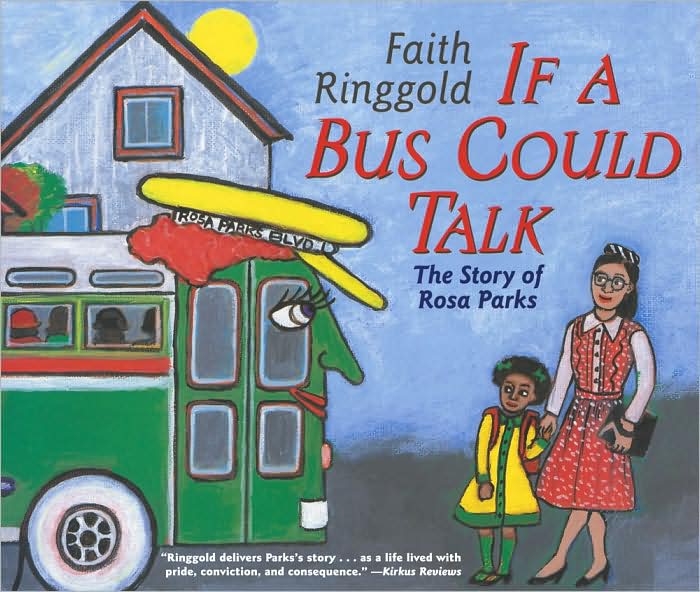
If a Bus Could Talk: The Story of Rosa Parks 
by Faith Ringgold , Faith Ringgold (Illustrator)
Simon & Schuster Children's Publishing, 2002

Summary:  This delightful book tells the story of Rosa Parks from the bus's point of view.  Unlike other Civil Rights books that speak from erudite perspective, this is a friendly voice that children used to Thomas the Tank Engine, et al, will feel quickly warm up to.  A great way to couch an important event in the visuals and language of a younger audience.  

Lesson:  The Kindergarten and 1st grade teachers were looking for a book on Civil Rights.  Most books are written in textual format, with a few photographs interspersed.  This book was appropriate to engage their interests and to bring abstract concepts down to their level.  

Level:  Kinder-3rd